A few days ago I had to go through years and years of photos for a suitable image of myself on field-work, to be included in a soon to be published volume about Hungarian Mongolists, past and present. I don’t have many such photos, taking selfies is rarely an option when I pretend to be a researcher. In light of the last 18 months it was incredible to re-visit the places where I have been and think about the things that I have done and achieved.
The first photo you can see below was taken in 2018, in a small wooden building on the outskirts of Ulaanbaatar, which building belonged to a family of goldsmith’. Better to simply call them metalworkers though, since in Mongolia the distinction between certain branches of metal work is not so sharp like in Europe. Craftspeople and fine artists immerse themselves in various forms of their art, flowing freely between different medias. Their creativity and flexibility is admirable.
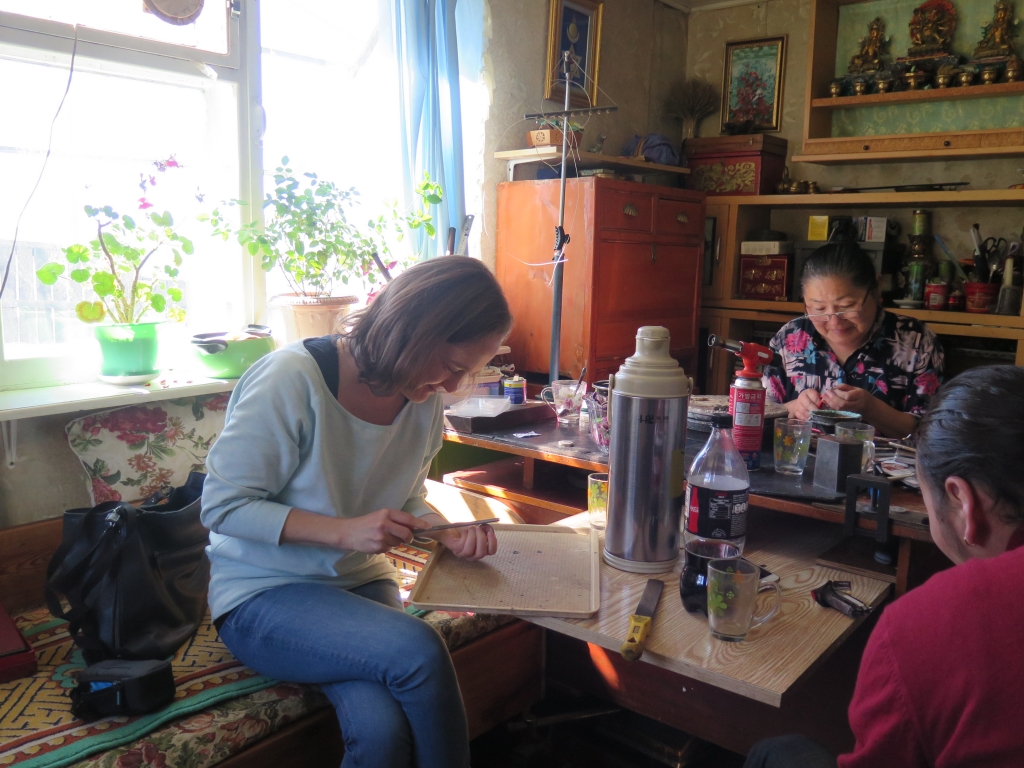
This is the kind of photo we happily talk about and show off to anyone with the slightest interest in our life. The truth is that they are not many and I totally understand if it’s difficult to relate to our devotion to miserable conditions, meagre support and lack of financial security. These kind of photos hardly ever get published, for the focus is never on the researcher but on the ’subject’. It was a brief and unplanned stay for me in the workshop but the findings were beautiful and published in various forms.
There is an other side of research too, when it happens far from libraries, that we rarely talk about. It is hardly ever mentioned even between us. If we discuss it, it is not really taken seriously, although the effects can be serious and long-term. The other photo I am sharing here from 2016, tells a very different story, the story of ailments that inevitably occur when you spend an extended period away from your usual surroundings.
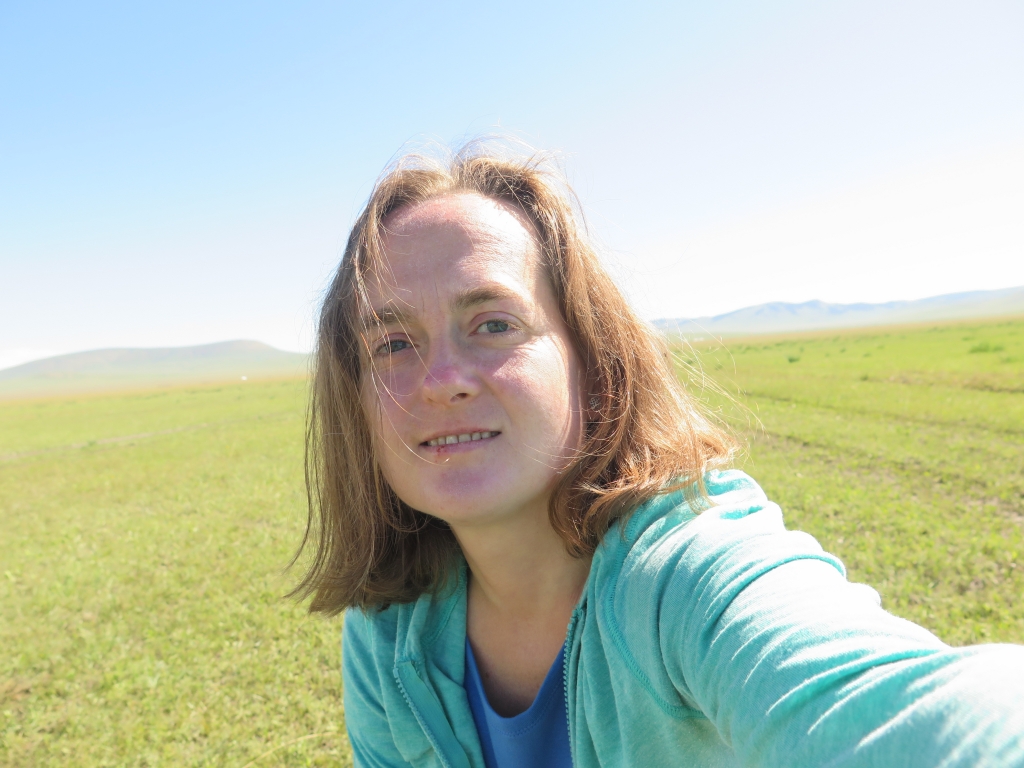
I was going to spend a full week in Bulgain aimag, in northern Mongolia, together with a group of aspiring Mongolists. The distance between the capital and our destination was about 500 km, but we left on a bus totally unfit to withstand the roads of the Mongolian countryside, so the journey took 24 hours to complete. I have been used to it, it wasn’t my first time there, but I made the mistake of eating something that I shouldn’t have. This was my forever favourite of Mongolian cuisine, which, for some reason, always gets me into trouble. I wouldn’t have picked this dish before a trip like this, but there was no other option available. We haven’t even left the city but I already knew I would struggle. We arrived in pitch black and just went straight into our yurts and fell asleep.
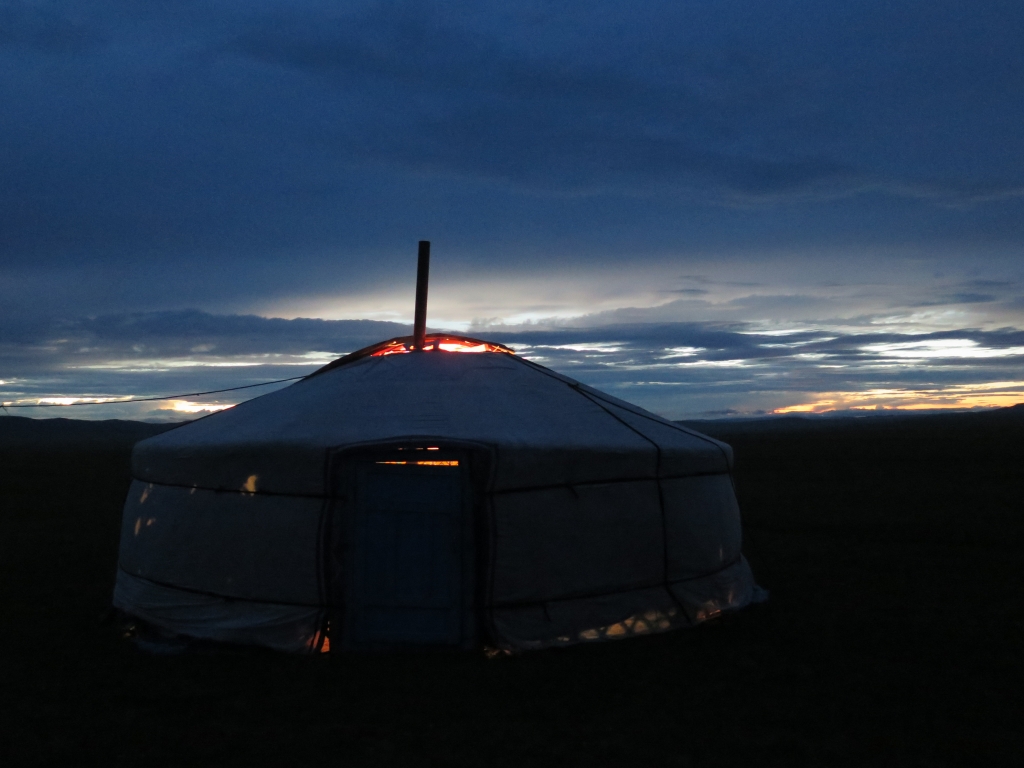
The morning was magical. The Mongolian countryside never ceases to amaze me. Imagine you wake up in a yurt after the most relaxing night you have ever experienced, despite the freezing cold. The yurt does it, don’t ask me how. Stepping out of your tent you are surrounded by the endless steppe, the bluest sky ever existed, and beautiful horses are freely grazing around you, undisturbed by your presence. It was chilly, no heating, no chance for a hot shower, toilets are farther away from the camp, the kind you very rarely see in Europe nowadays. They were used and normal in my childhood, but we have long forgotten those times and became spoilt by our riches. I went through the day relatively ok but by night I had high temperature and at some point I lost consciousness, only coming to my senses in the morning. My host offered some misterious pill, he assured me it would help, and I gladly accepted, there was no other option really. We were hours away from any medical assistance, and of course, who likes to cause trouble to a big group of people? I wouldn’t have been able to travel anyway. My fever calmed down but I woke with severe stomach ache. My body combatted whatever attacked the system but the week was difficult. Still beautiful though. I have never been this sick in my life but less serious incidents happen during each and every trip.
Only once I read about this matter, in an internationally known researcher’s book, an Africanist, who had been through hell not once. We don’t think much about this side of the field-work, but we should. It does affect the body and mind, and in more serious cases it may take years to recover from an infection. It’s bad enough if it ruins ’only’ those few weeks or months you have on the field, but years of struggle for a few publications, is plain silly.
Before you start wondering what horrible places I have visited, I can assure you, I have seen the most beautiful places, meeting the kindest people possible. After birth we start getting used to certain bacterias and viruses, the body learns to deal with them, and when we put the system into a new environment, it will respond accordingly, sometimes violently. In most cases we combat the newcomers unnoticed but there are situations when things come at a price. Which price we are happy to pay in return for the beauty of nature and humans we experience and meet along the way.
The situation of researchers vary from country to country, and your status (student, young researcher, post doc, academic staff, member of various institutions) also affect your circumstances. When we start, certainly in my part of the world, most of us travel on a budget and settle for the most basic conditions, which has an impact on your health too. I changed direction a couple of years ago so my life is way more luxurious these days, but the basics remain. A holiday by the pool of a hotel, which hermetically separates me from the reality of the outside world, is meaningless to me.